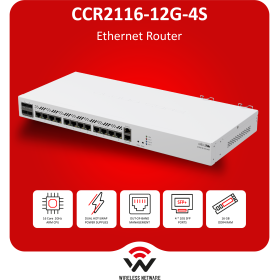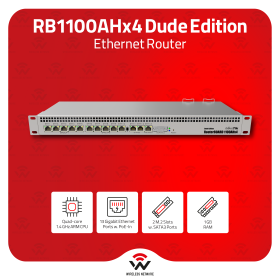


Latest MikroTik Guides & Reviews
RouterOS powers MikroTik hardware, x86 servers, and CHR virtual deployments. This guide explains the key v6-to-v7 changes, how to choose the right architecture/channel/version, and how to upgrade safely with a backup-first workflow. It also highlights common mistakes to avoid, including incorrect package selection, skipped changelog checks, firmware mismatches, and missing wireless packages during manual upgrades.
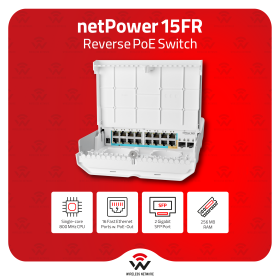
GPEN technology offers ISPs and WISPs a faster, lower-cost alternative to GPON. With reverse PoE, 10G fiber uplinks, and scalable MikroTik routing, providers can deploy reliable network infrastructure with reduced capital investment and long-term operational efficiency.
https://mikrotik.com/aboutus/company
The MikroTik website has been redesigned—and it works very differently than before.
This guide walks you through the new MikroTik website section by section, explaining how to navigate hardware, software, training, distributors, support, and documentation efficiently. It also explains where MikroTik comes from, how RouterOS changed networking, and how MikroTik Canada and Wireless Netware support users across Canada and the US with training, consulting, hardware, and real-world expertise.
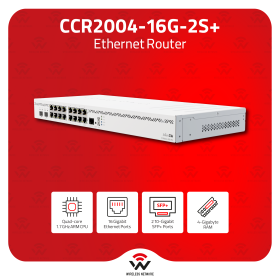
The MikroTik CCR2004 series is powerful, affordable, and widely misunderstood.
In this breakdown, we explain the real architecture, performance limits, and correct use cases for every CCR2004 model — including the PCIe version and passive-cooled variants — so you can choose the right router without guesswork.
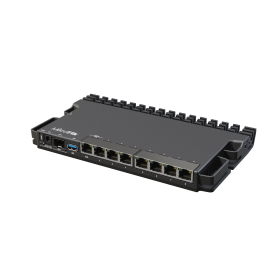
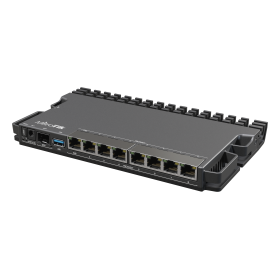
The MikroTik RB5009 series is a compact, fanless routing platform designed for high-performance networks.
With 10G, 2.5G, PoE options, and indoor or outdoor models, it fits studios, offices, ISPs, and field deployments.