




Meet MikroTik CLAIRÉ, KNOT Gateway and LGO-LTE-W

Table of contents

MikroTik's latest additions cover three different jobs: watching indoor air, collecting data from IoT devices over long-range radio, and connecting compact equipment to LTE and LoRa networks. This roundup looks at five products — CLAIRÉ, CLAIRÉ Lite, KNOT Gateway HL9, KNOT Gateway LR8 and the LGO-LTE-W antenna — and explains what each one does and where it fits.
These are separate tools for separate tasks. They are not sold or tested as one system, so choose each one based on your own project, devices and deployment region.
1. CLAIRÉ: more visibility into indoor air
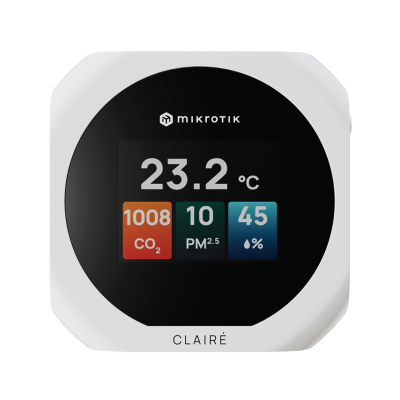
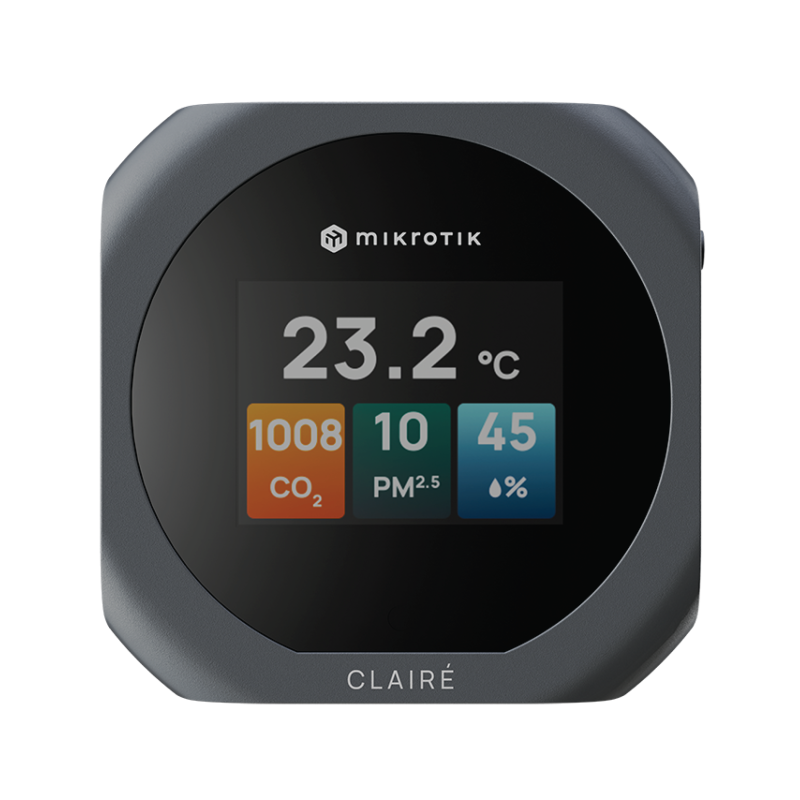
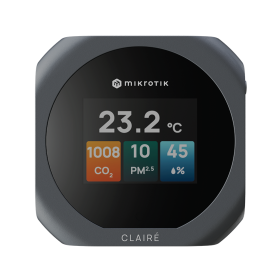
MikroTik CLAIRÉ (IAQM-THC2PV) is an indoor environment monitor for offices, meeting rooms, workshops and homes. It tracks the air conditions people cannot easily notice themselves, so you can decide when to open a window, increase ventilation or look for the source of a problem.
- Six measurements: CO₂, PM2.5 and PM10 particles, VOC, temperature and relative humidity.
- CO₂ sensing: Sensirion SCD40 photoacoustic (PAS) sensor, 400–2000 ppm range.
- 2-inch colour display: automatic brightness, selectable display modes and colour-coded warnings when air quality drops.
- Matter over Thread: readings can be shared with a compatible Matter-over-Thread system. Bluetooth is used only for provisioning.
- Flexible installation: USB Type-C or 5 V DC terminal power, with desktop placement or a wall bracket with a security-screw option. Available in white or grey.
CLAIRÉ does not control ventilation hardware by itself. In a compatible smart-home or building setup, its readings can be used in automations — for example, to trigger a notification or a ventilation rule when CO₂ rises.
View MikroTik CLAIRÉ specifications
2. CLAIRÉ Lite: CO₂, VOC, temperature and humidity
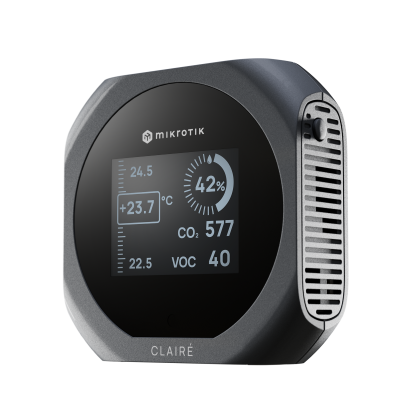
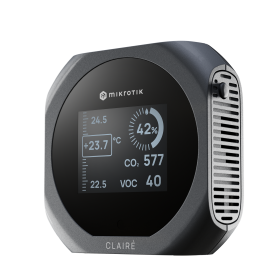
MikroTik CLAIRÉ Lite (IAQM-THC2V) keeps the same compact design and display but focuses on four measurements. The key difference: CLAIRÉ Lite has no PM2.5 or PM10 particle sensors. If particle monitoring matters for your space, choose the full CLAIRÉ.
- Four measurements: CO₂, VOC, temperature and relative humidity.
- 2-inch colour display: readings are visible directly on the device, with no smart-home system required.
- Matter over Thread: connect to a compatible Matter-over-Thread system for ventilation and notification automations. Bluetooth is used only for Matter provisioning.
- Desktop or wall placement: place it on a desk or use the wall-mounted bracket with a security-screw option. Available in white or grey.
CLAIRÉ Lite is a practical choice for rooms where CO₂ and general comfort are the main concerns, such as meeting rooms and shared offices.
View MikroTik CLAIRÉ Lite specifications
3. KNOT Gateway HL9: 915 MHz Wi-Fi HaLow
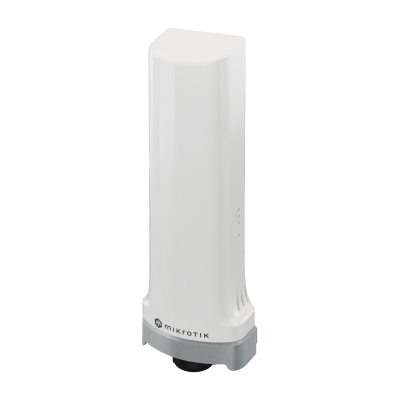
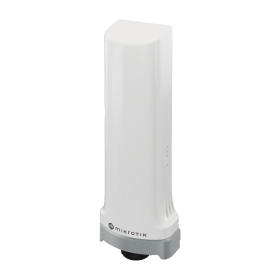
MikroTik KNOT Gateway HL9 (L14G-2ax-BT5-HL9&EG800Q) brings sensors, meters and tagged assets into an IoT network. It combines BLE 5.1 with 915 MHz IEEE 802.11ah Wi-Fi HaLow, and passes the collected data upstream over wired, Wi-Fi or cellular backhaul.
- IoT radios: 915 MHz Wi-Fi HaLow and Bluetooth 5.1.
- Backhaul options: Gigabit Ethernet, 2.4 GHz 802.11ax Wi-Fi, or LTE Cat 1 bis through the EG800Q-NA modem (Nano SIM and eSIM).
- Built for outdoor sites: IP66 enclosure, surge protection, GNSS positioning and an operating range of −40 °C to +50 °C.
- Power: 802.3af/at PoE-in or a 12–57 V two-pin terminal.
- RouterOS v7: local filtering, scripting and MQTT or HTTP integration with your own dashboards.
Actual wireless range depends on the site, antennas and client devices. The LTE modem variant does not by itself confirm carrier certification or coverage in every area, so check with your carrier before a cellular deployment.
View KNOT Gateway HL9 specifications
4. KNOT Gateway LR8: 868 MHz LoRa
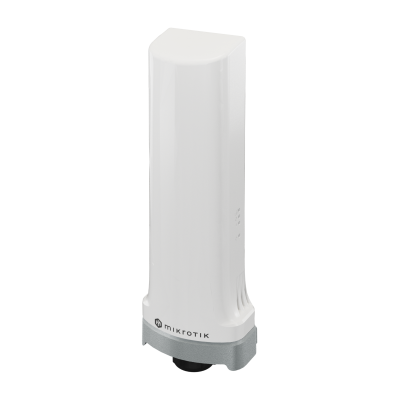
MikroTik KNOT Gateway LR8 (L14G-2ax-BT5-LR8&EG800K) shares the same gateway platform but uses a different long-range radio and LTE modem: 868 MHz LoRa with the SX1303 transceiver, and the EG800K-EU LTE modem.
- IoT radios: 868 MHz LoRa and Bluetooth 5.1.
- Backhaul options: Gigabit Ethernet, 2.4 GHz 802.11ax Wi-Fi, or LTE Cat 1 bis (Nano SIM and eSIM).
- Shared hardware features: IP66 enclosure, GNSS, PoE-in and RouterOS v7 with MQTT or HTTP integration.
HL9 and LR8 are not interchangeable. The right model depends on your deployment region and on the radio your sensors and devices actually use. LR8 does not support Wi-Fi HaLow.
View KNOT Gateway LR8 specifications
5. LGO-LTE-W: a compact LTE and LoRa antenna
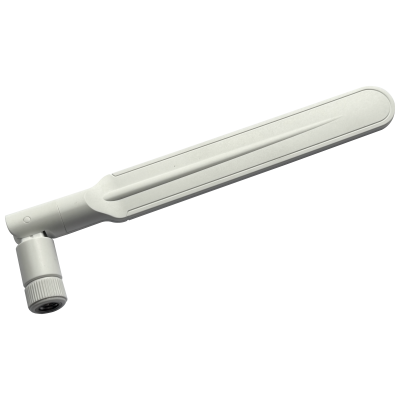
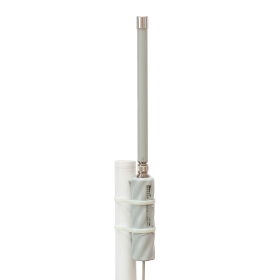
MikroTik LGO-LTE-W (part number DPD0830AL08) is a compact antenna for LTE and LoRa connections where space is limited.
- Frequency range: 617–5925 MHz.
- Stated gain: 3 dBi.
- Connector: SMA male.
- Size: 172 × 19 × 13 mm.
Its small size suits industrial cabinets, vending and coffee machines, remote monitoring and asset-tracking equipment. MikroTik recommends it for KNOT LR8G and LR9G kits, KNOT Embedded LTE and KNOT Embedded LTE4 Global. Check compatibility before pairing it with other devices, including the new KNOT Gateway models.
View LGO-LTE-W antenna specifications
Quick selection guide
| Need | Product to explore | Key point |
|---|---|---|
| Particle and general indoor monitoring | CLAIRÉ | CO₂, PM2.5, PM10, VOC, temperature, humidity |
| Indoor monitoring without particle sensors | CLAIRÉ Lite | CO₂, VOC, temperature, humidity |
| 915 MHz Wi-Fi HaLow deployment | KNOT Gateway HL9 | HaLow + BLE 5.1, EG800Q-NA LTE |
| 868 MHz LoRa deployment | KNOT Gateway LR8 | LoRa + BLE 5.1, EG800K-EU LTE |
| Compact SMA antenna for a supported installation | LGO-LTE-W | 617–5925 MHz, 3 dBi, SMA male |
Need help choosing?
Explore the product pages for full specifications. If you need help selecting the right model for your sensors, deployment region or antenna connection, contact Wireless Netware.
Related Products
MikroTik CLAIRÉ Indoor Air Quality Monitor – CO₂, PM2.5/PM10, VOC, Matter over Thread
MikroTik CLAIRÉ Lite Indoor Air Quality Monitor – CO₂, VOC, Temperature, Matter over Thread
MikroTik KNOT Gateway HL9 IoT Gateway – 915 MHz Wi-Fi HaLow, LTE Cat 1 bis, BLE 5.1, IP66
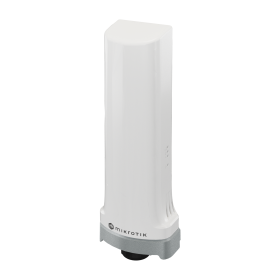
MikroTik KNOT Gateway LR8 IoT Gateway – 868 MHz LoRa, LTE Cat 1 bis, BLE 5.1, IP66
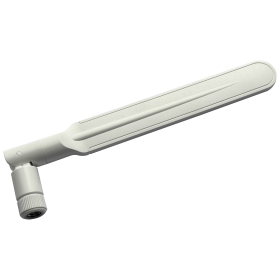
MikroTik LGO-LTE-W Compact LTE and LoRa Antenna – 617–5925 MHz, 3 dBi, SMA Male
MikroTik-only network engineer and trainer, helping Canadian businesses design, deploy, and understand MikroTik networks since 2002.
Leave a comment
Related Posts

You know your business and customers best. Wireless Netware helps you turn that knowledge into a network you understand and control — using MikroTik, AI tools, practical education and support. Our free videos show how owners apply MikroTik with AI, while hands-on setup and troubleshooting are scheduled, paid services.
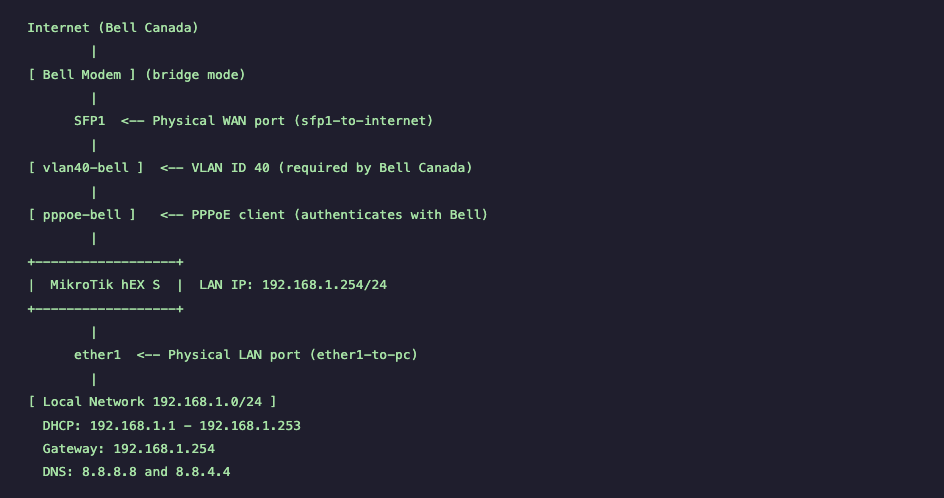
Step-by-step MikroTik hEX S Bell Canada PPPoE setup using VLAN 40 on RouterOS v7. Includes PPPoE configuration, NAT, DHCP, firewall rules, verification commands, and testing procedures for stable Bell Fiber connectivity.
Before updating MikroTik RouterOS, create both a binary backup and an .rsc export to ensure a full recovery path. This guide follows the video timeline and shows what to check before updates, when to update or wait, and how to recover if a backup is corrupted.

RouterOS powers MikroTik hardware, x86 servers, and CHR virtual deployments. This guide explains the key v6-to-v7 changes, how to choose the right architecture/channel/version, and how to upgrade safely with a backup-first workflow. It also highlights common mistakes to avoid, including incorrect package selection, skipped changelog checks, firmware mismatches, and missing wireless packages during manual upgrades.





https://mikrotik.com/aboutus/company
The MikroTik website has been redesigned—and it works very differently than before.
This guide walks you through the new MikroTik website section by section, explaining how to navigate hardware, software, training, distributors, support, and documentation efficiently. It also explains where MikroTik comes from, how RouterOS changed networking, and how MikroTik Canada and Wireless Netware support users across Canada and the US with training, consulting, hardware, and real-world expertise.
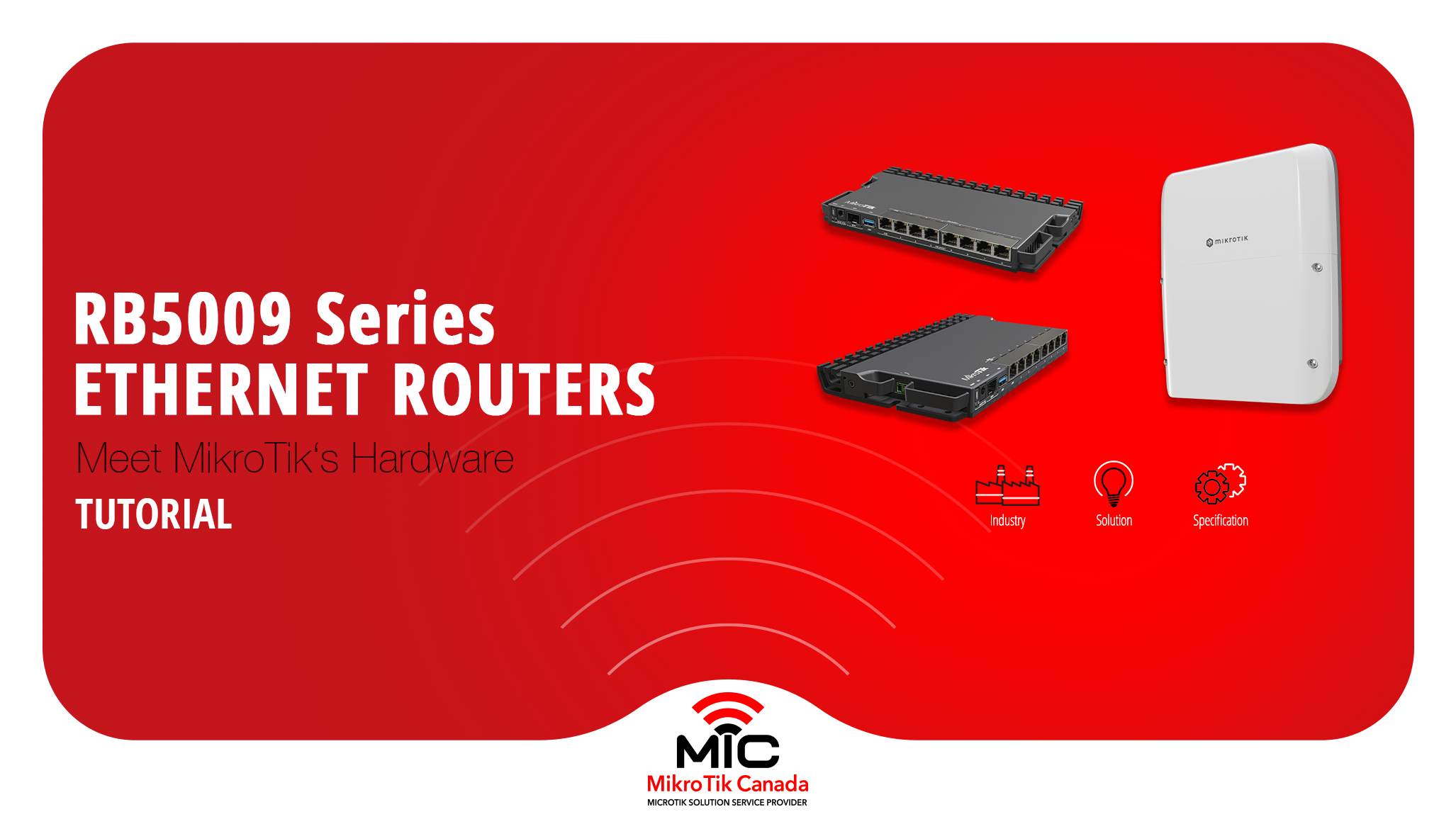
The MikroTik RB5009 series is a compact, fanless routing platform designed for high-performance networks.
With 10G, 2.5G, PoE options, and indoor or outdoor models, it fits studios, offices, ISPs, and field deployments.
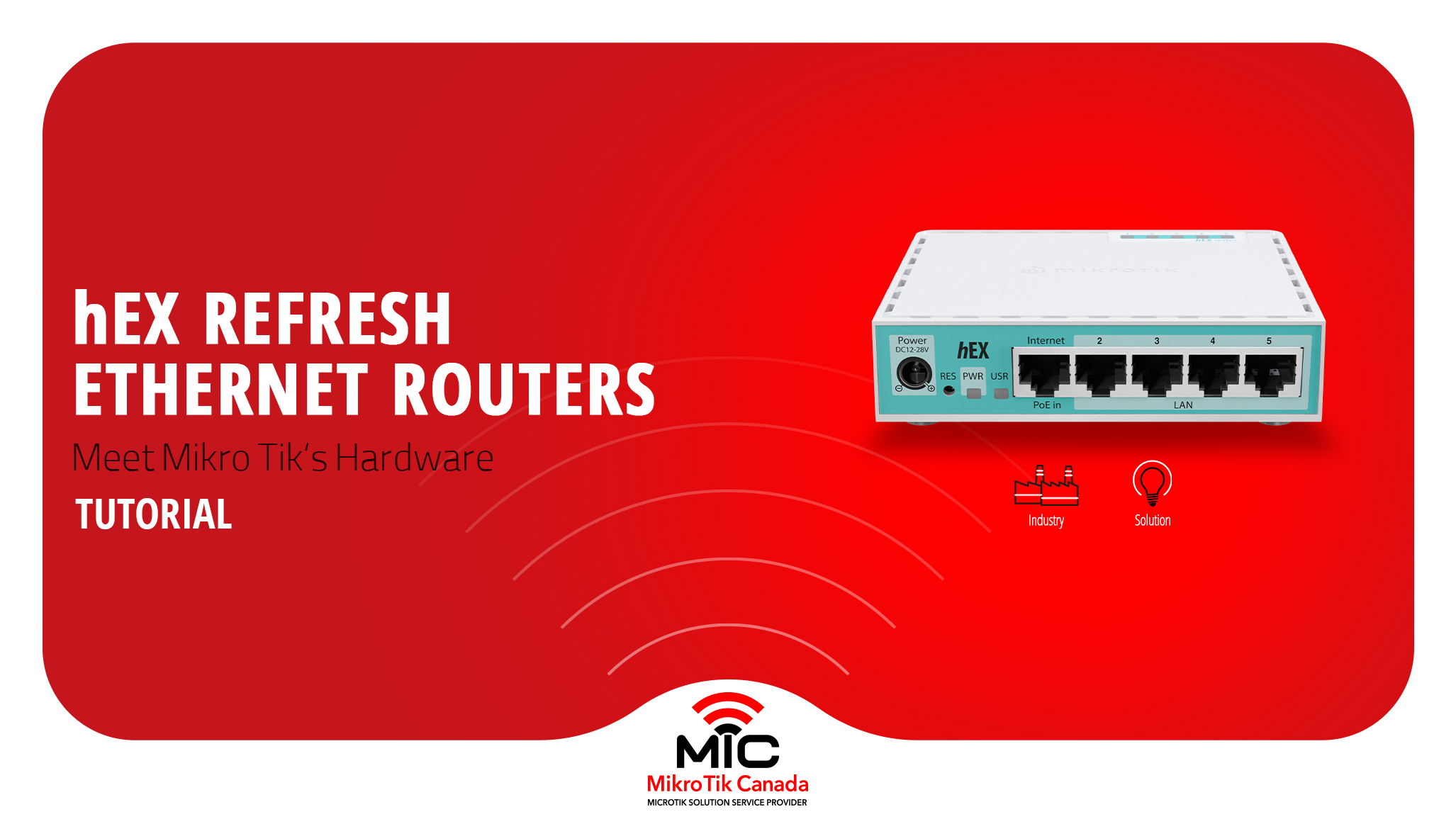
MikroTik refreshed its most popular wired router without changing the price. This post compares the classic hEX (RB750Gr3) with the new hEX Refresh (E50UG), focusing on hardware changes, real performance gains, and which one actually makes sense to deploy today.
-%20Thumbnail.png)
Side-by-side comparison of the legacy MikroTik hEX S and the new hEX S (2025) — CPU, RAM, storage, SFP, PoE, block diagrams, and real test results to help you choose the right router.