





GPEN vs GPON: The Smarter Network Infrastructure Solution for ISPs & WISPs

Table of contents

|
Revolutionizing ISP Networks with MikroTik's GPEN Technology A Smarter, Cost-Effective, and Scalable Alternative to GPON |
|
Table of Contents
|
|
Introduction: The Future of ISP Infrastructure For Internet Service Providers (ISPs) and Wireless ISPs (WISPs), cost-efficient high-performance deployment is essential. GPON has long been used for fiber expansion, but MikroTik GPEN (Gigabit Passive Ethernet Network) offers a practical Ethernet-based model with lower deployment complexity and strong performance. Why choose GPEN over GPON?
|
|
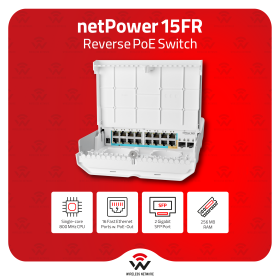
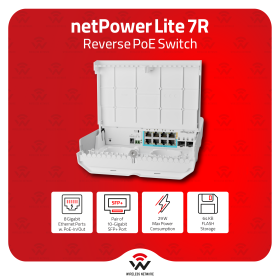
How GPEN Works: Redundant and Scalable by Design GPEN uses reverse PoE-powered switches such as MikroTik NetPower 7R and NetPower 15FR as neighborhood access points. Instead of requiring direct local power, the switch receives power from connected customer lines, reducing power wiring complexity and installation time. Example: If seven customers are connected to NetPower 7R and several CPEs are unplugged, the switch can remain operational as long as sufficient reverse PoE power remains available from active lines. |
|
ISP and WISP Deployment: GPON vs GPEN (Brief Model) GPON-Based Deployment
GPEN-Based Deployment
|
|
1. Core Layer: High-Performance Routing and Processing The core layer handles routing, traffic policies, security, and peering performance for growing subscriber bases. Recommended MikroTik Core Routers
|
|
2. Distribution Layer: High-Speed Fiber Connectivity The distribution layer aggregates capacity from the core and forwards bandwidth to access switches. Recommended MikroTik Distribution Switches
|
|
3. Access Layer: GPEN-Powered Reverse PoE Network The access layer removes heavy dependency on local power infrastructure and enables quick customer turn-up. NetPower 7R
NetPower 15FR
|
|
4. GPEN Add-Ons: Extenders and Power Injectors
|
|
Advantages of GPEN Over GPON 1) Reduced Deployment Costs
2) High Throughput for Modern Demand
3) Easy Scalability and Management
4) Reliability for Long-Term Operation
|
|
Conclusion: The Future is GPEN GPEN gives ISPs and WISPs a strong path to deliver high-speed, reliable internet with lower deployment cost and less operational complexity. With reverse PoE, scalable fiber uplinks, and MikroTik's routing and switching stack, providers can grow faster while improving uptime. Ready to modernize your network? Deploy GPEN and scale with confidence. |
Related Products
MikroTik netPower 15FR Outdoor Reverse PoE Switch
MikroTik netPower Lite 7R Outdoor Reverse PoE Switch
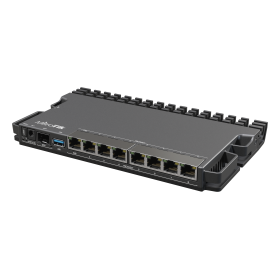
MikroTik RB5009UPr+S+IN 8×PoE-Out 130W Router ROS7
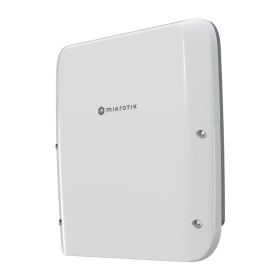
MikroTik RB5009UPr+S+OUT IP66 Outdoor PoE Router
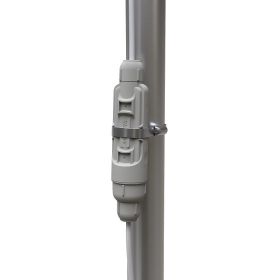
MikroTik GPeR-IP67-Case IP68 Outdoor Enclosure
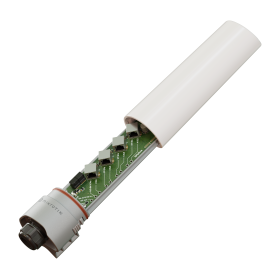
MikroTik GPeRx4 802.3bt PoE Extender 3-Port PoE-Out IP68
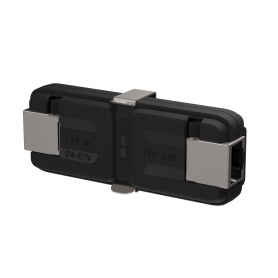
GPeR
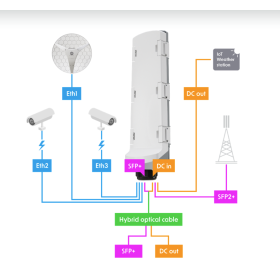
MikroTik GPERx6 Outdoor Hybrid Fiber Switch with PoE & DC Output
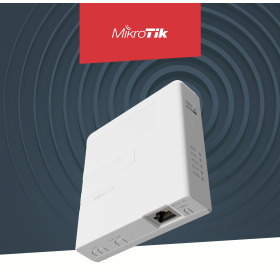
MikroTik GPEN21 Smart PoE Injector SFP Repeater
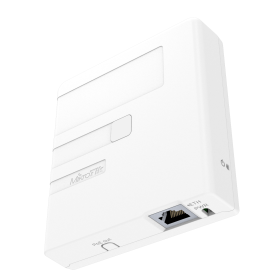
MikroTik GPEN11 Wall-Mount Passive PoE Injector
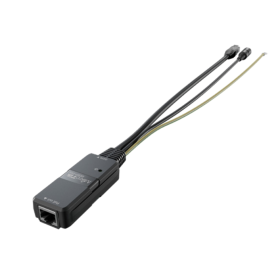
MikroTik GESP+POE-IN Passive PoE Injector Surge Protection
MikroTik-only network engineer and trainer, helping Canadian businesses design, deploy, and understand MikroTik networks since 2002.